
Why Women Should Lift for More Than Muscle: Strength Training and Bone Health
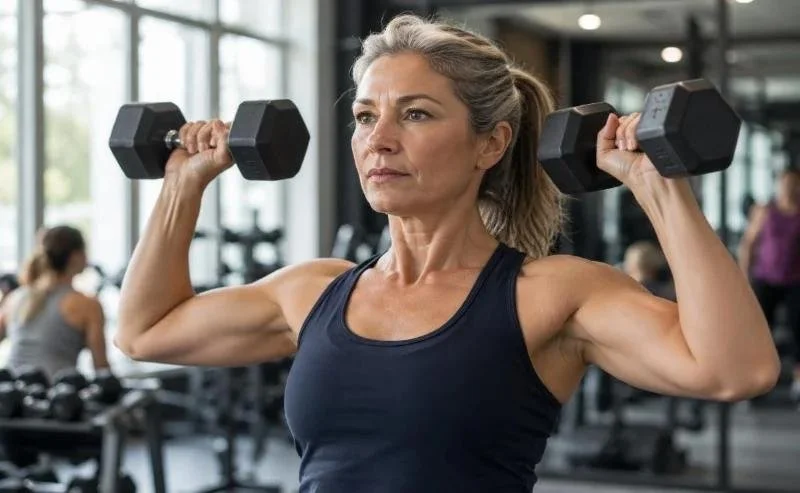
When most people think about strength training, they think about building muscle, changing their body shape or becoming stronger in the gym.
And yes, those are all valuable reasons to lift weights.
But there's another reason I feel particularly passionate about our bone health.
As the daughter of a mum living with osteoporosis, this is something I'll never tire of talking about.
Because strength training isn't just about how we look. It's about investing in our future health, strength and independence.
Why bone health matters
Our bones are living tissue. They change throughout our lives, and their strength is influenced by factors including genetics, hormones, nutrition and physical activity.
As we age, maintaining bone strength becomes increasingly important. Osteoporosis is a condition that weakens bones and makes them more likely to fracture.
For women, particularly around and after menopause, changes in hormones can contribute to bone loss. That makes it worth thinking about bone health well before a problem arises.
A fracture isn't always something you simply recover from and forget about. Depending on its location and severity, it can affect mobility, confidence and independence.
Looking after your bones is about protecting the things you want to keep doing.
How strength training supports stronger bones
Here's something I want more women to understand: resistance training isn't only for your muscles. It also provides a stimulus for your bones.
When you lift weights, your muscles work against resistance and exert forces on your bones. This mechanical loading can help maintain or improve bone mineral density in certain areas of the skeleton.
The NHS identifies both weight-bearing and resistance exercise as important for improving bone density and helping prevent osteoporosis. UK clinical guidelines also recommend combining weight-bearing and muscle-strengthening exercise for people with osteoporosis or at risk of fragility fractures.
This doesn't mean every workout will make your bones stronger overnight. Bone adaptations take time, and the effects vary depending on the type of exercise, training intensity and individual circumstances.
But it does mean that strength training can be a valuable part of a long-term bone health strategy.
What does this look like in practice?
You don't need to spend hours in the gym or lift the heaviest weights available.
A well-designed resistance training programme can include movements such as:
1. Squat variations
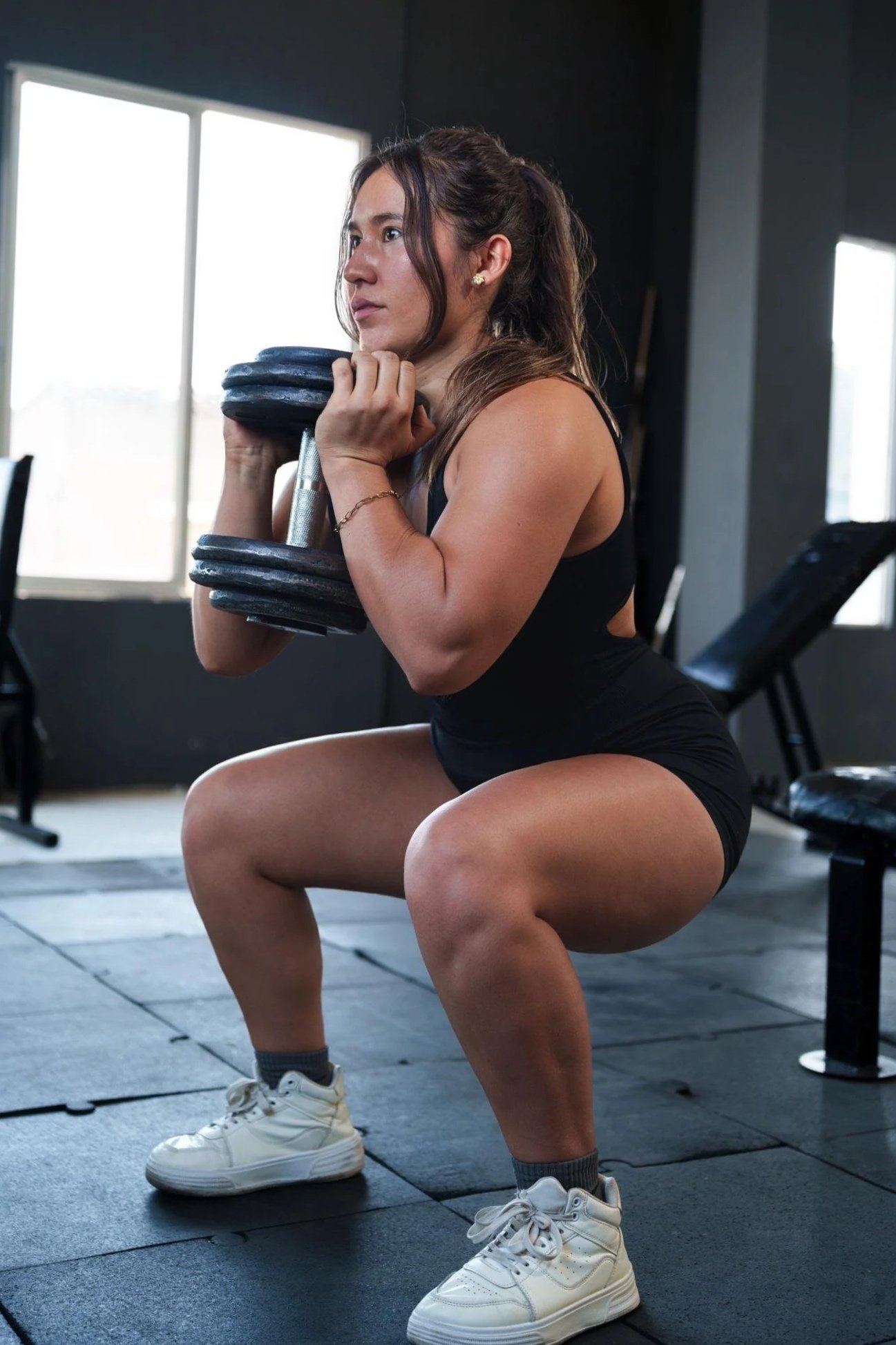
Squats and other leg-strengthening exercises help develop the muscles around your hips and legs while providing a resistance stimulus.
2. Hip hinge movements
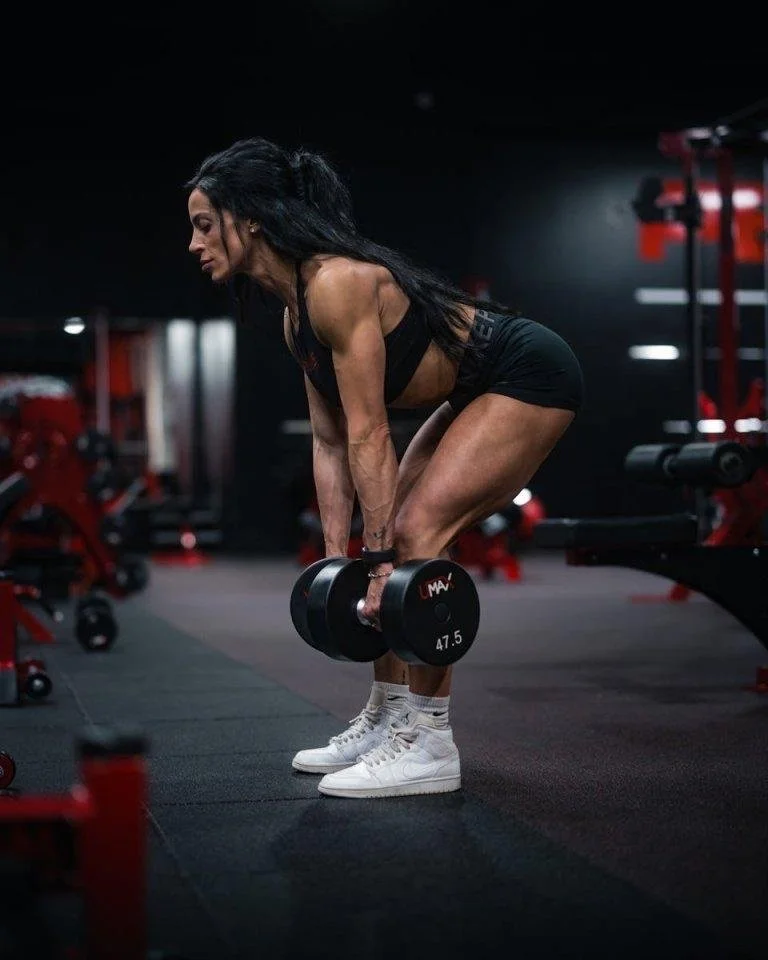
Exercises such as Romanian deadlifts can build strength in the hips and posterior chain when performed with appropriate technique and progression.
3. Pulling exercises
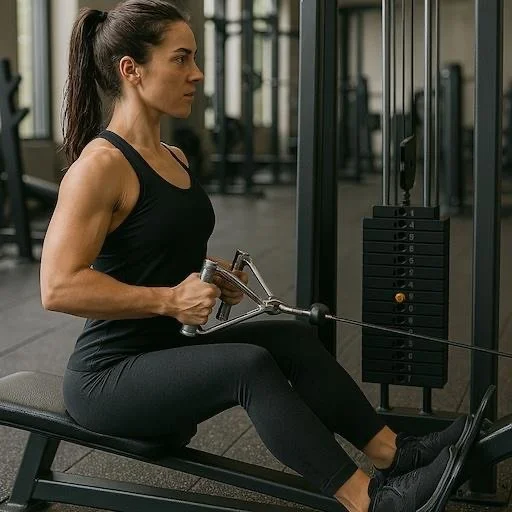
Rows and other upper-body resistance exercises help develop back and arm strength and contribute to a balanced programme.
4. Pushing exercises
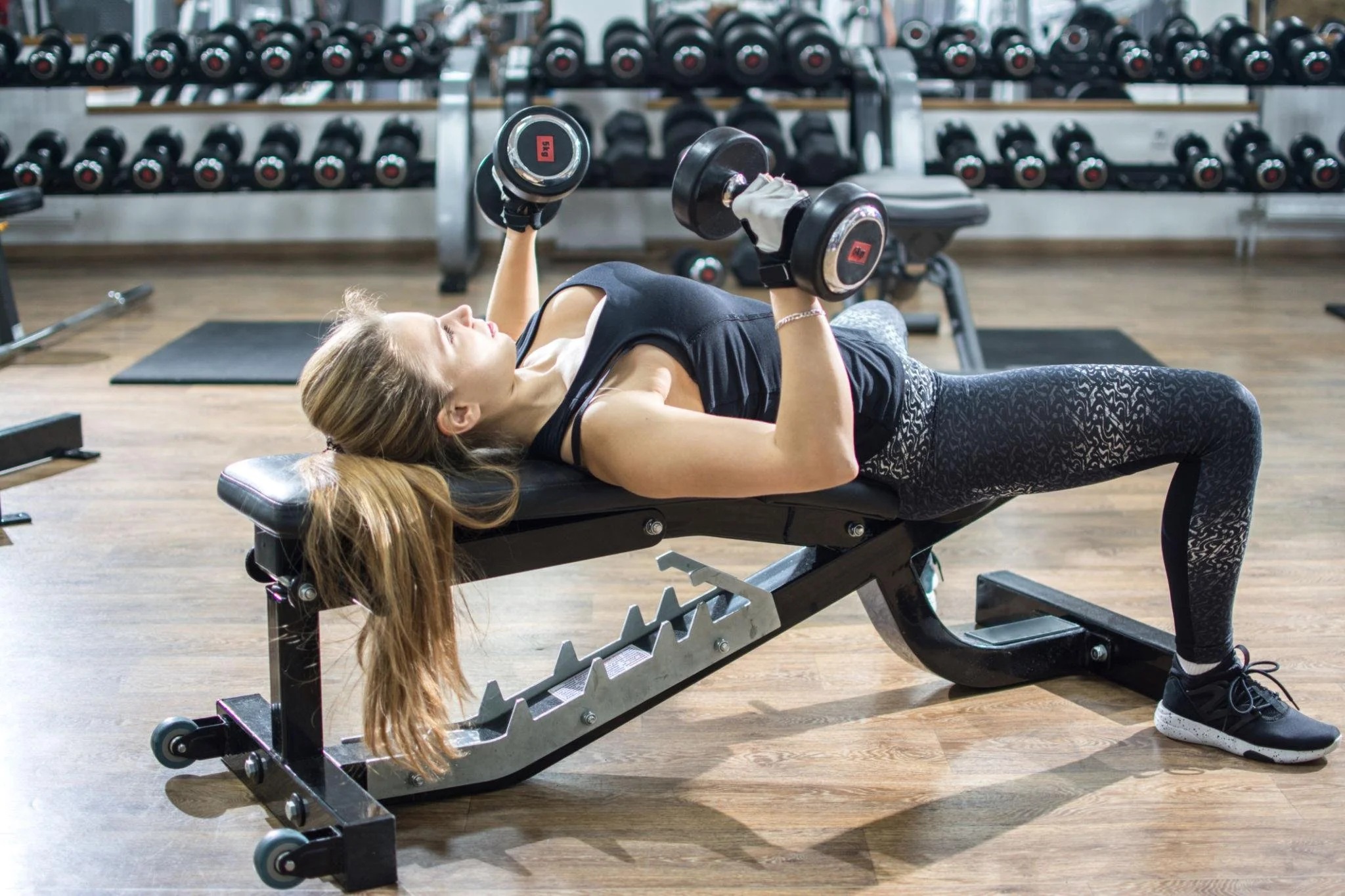
Chest presses and other pushing movements help strengthen the upper body while adding variety to your training.
The goal isn't to perform these exercises just for the sake of doing them. It's to develop a consistent, progressive programme that suits your ability, experience and health needs.
The Royal Osteoporosis Society recommends a combination of strength and impact exercise for bone health, with exercise adapted to the individual.
Strong muscles can support more than your bones
Bone health is only one part of the picture.
Strength training can also help us maintain the physical capacity we need for everyday life. Building muscle strength, balance and physical function can support mobility and help reduce the risk of falls.
And falls are an important part of the fracture prevention conversation.
UK expert guidance recommends exercises that improve strength and balance to help reduce falls, alongside appropriate resistance and impact exercise.
Think about the things you want to keep doing:
Carrying your shopping.
Getting up and down from the floor.
Climbing stairs.
Travelling and exploring.
Playing with your children or grandchildren.
Living independently for as long as possible.
Strength training isn't a guarantee that you won't experience a fracture or health problem. But developing and maintaining physical strength is a meaningful investment in your long-term wellbeing.
You don't need to wait until you have a problem
One of the reasons I feel so strongly about this topic is that bone health can be easy to overlook.
We often focus on how our body looks, how much we weigh or how many calories we've burned.
But what about what's happening beneath the surface?
Are we doing things that support our muscles and bones? Are we building strength that can serve us in the years ahead? Are we paying attention to our health before a problem forces us to?
These are questions worth asking at any age.
And you don't need to be an experienced gym-goer to start. You can begin with manageable resistance, learn the basic movements and gradually build your capacity over time.
Small, consistent steps can become part of a much bigger investment in your future self.
A note about osteoporosis and safe exercise
If you already have osteoporosis, a history of fractures or other concerns about your bone health, your training programme should be appropriate for your individual needs.
Exercise can be beneficial for people living with osteoporosis, but the type and intensity need to be considered carefully, especially if you have vertebral fractures or multiple low-trauma fractures. The Royal Osteoporosis Society recommends seeking advice from a healthcare professional when you need guidance on safe and suitable exercise.
Strength training is not a replacement for medical assessment or prescribed osteoporosis medication when treatment is needed. Bone health is best approached through a combination of appropriate exercise, nutrition, medical care and other individual risk factors.
Final thoughts: Train for more than your reflection
I'll never tire of repeating this.
Not because how we look doesn't matter to us. It's okay to enjoy feeling good in our bodies and to have aesthetic goals.
But I want women to know that strength training offers so much more.
Stronger muscles. Stronger bones. Greater physical capacity. A stronger foundation for the future.
As the daughter of a mum living with osteoporosis, bone health is personal to me. And I hope more women will see resistance training as something worth investing in, not just for the way they look today, but for the life they want to continue living.
So the next time you pick up a dumbbell, remember:
You're not just training for the mirror. You're training for your future self.