Do You Really Need Collagen, Electrolytes & Supplements Or Is It Just Clever Marketing?
I was having my eyebrows done recently and got chatting to the lovely woman who does them. At some point she asked me:
“What do you think about collagen and all these supplements everyone’s taking now?”
And honestly? It sparked such a good conversation that I knew it was worth sharing more widely.
Because the supplement industry is now a multi-billion pound business, and women (especially women over 40) are one of its biggest targets.
Why?
Because we’re constantly told to fear ageing, tiredness, wrinkles, weight gain, low energy, poor sleep… and then sold a product that promises to “fix” it.
But most of the time, what actually makes the biggest difference isn’t found in a tub or sachet.
It’s found in very boring, very unsexy basics.
The Big Truth About Most Supplements
Most people do not need supplements.
Not collagen.
Not electrolytes.
Not greens powders.
Not magic hormone drinks.
They’re not harmful for most people and if someone enjoys taking them or feels a placebo effect, that’s absolutely their choice.
But they are rarely necessary and very rarely better than simply improving the foundations.
What Your Body Actually Needs (and Already Has Access To)
Before spending £30–£60 a month on powders, ask yourself:
Are you eating enough protein?
Are you eating a good variety of foods?
Are you eating plenty of plants?
Are you hydrated?
Are you moving your body regularly?
Are you sleeping well?
Are you drinking less alcohol than you used to?
Because these things have:
More evidence behind them
A bigger impact on ageing, energy and health
And cost far less long-term
The money people spend on supplements would often be better invested in:
Better quality food
A gym or class membership
Comfortable shoes for walking
A better pillow or mattress
Or even just fewer takeaways and coffees
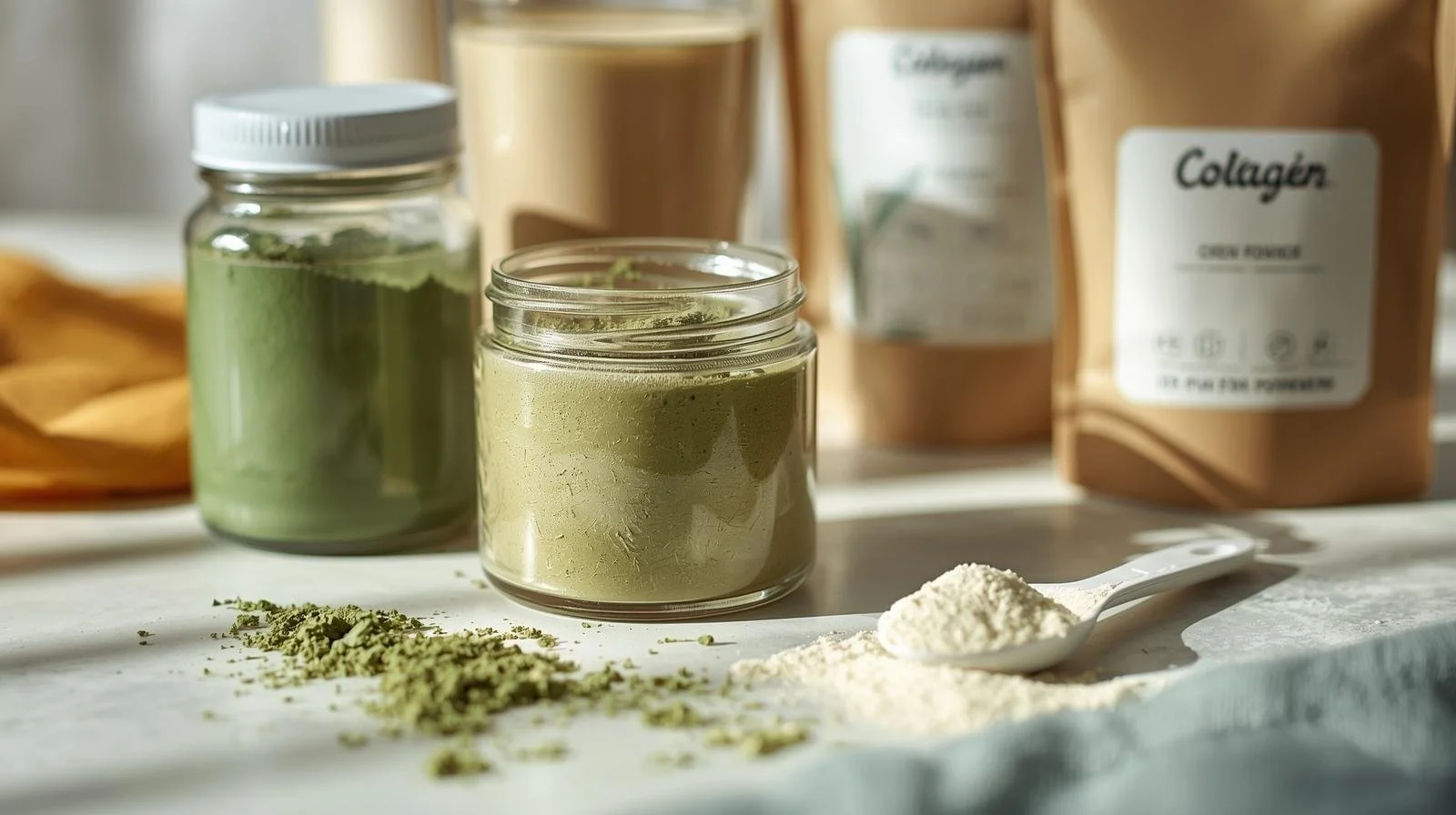
Collagen: The Most Over-Hyped Supplement of All?
Collagen is heavily marketed for:
Skin
Hair
Nails
Joints
But when you consume collagen, your body breaks it down into amino acids, just like any other protein.
So unless your overall protein intake is low, collagen isn’t doing anything magical that:
Eggs
Chicken
Fish
Greek yoghurt
Beans
Tofu
aren’t already doing better (and cheaper).
The Electrolyte Obsession (And Why It’s Often Unnecessary)
Electrolytes are everywhere right now, especially marketed to women in perimenopause and menopause.
Here’s the reality:
Vast majority of people do not need electrolytes.
They are useful if:
You are an endurance athlete
Training for hours
In very hot conditions
Losing large amounts of sweat
For everyone else?
You are already getting more than enough salt from your normal diet.
And excess salt intake is linked to:
High blood pressure
Heart disease
Stroke
Which is particularly relevant for women over 40, as heart disease is the biggest killer of women in the UK.
So adding extra salt “just in case” is not only unnecessary, it may be harmful long-term.
Better (and Cheaper) Ways to Hydrate
If you don’t love plain water, you can hydrate perfectly well with:
Weak squash
Water with mint, berries or cucumber
Herbal teas
Sparkling water
No sachets required.
The minerals in electrolyte drinks are tiny and easily obtained from:
Fruits
Vegetables
Whole grains
Nuts and seeds
Real food wins again.
So What’s My Actual Advice?
If you enjoy supplements and can afford them, this is absolutely fine.
But don’t fall into the trap of thinking they are necessary for health, youth or energy.
Most of the time, the real upgrades are:
Eating well, consistently
Lifting some weights
Walking more
Sleeping better
Drinking less alcohol
Reducing stress where possible
Not glamorous.
Not Instagram-friendly.
But far more powerful than any powder.